Binding Price Ceilings Result In Each Of The Following Except
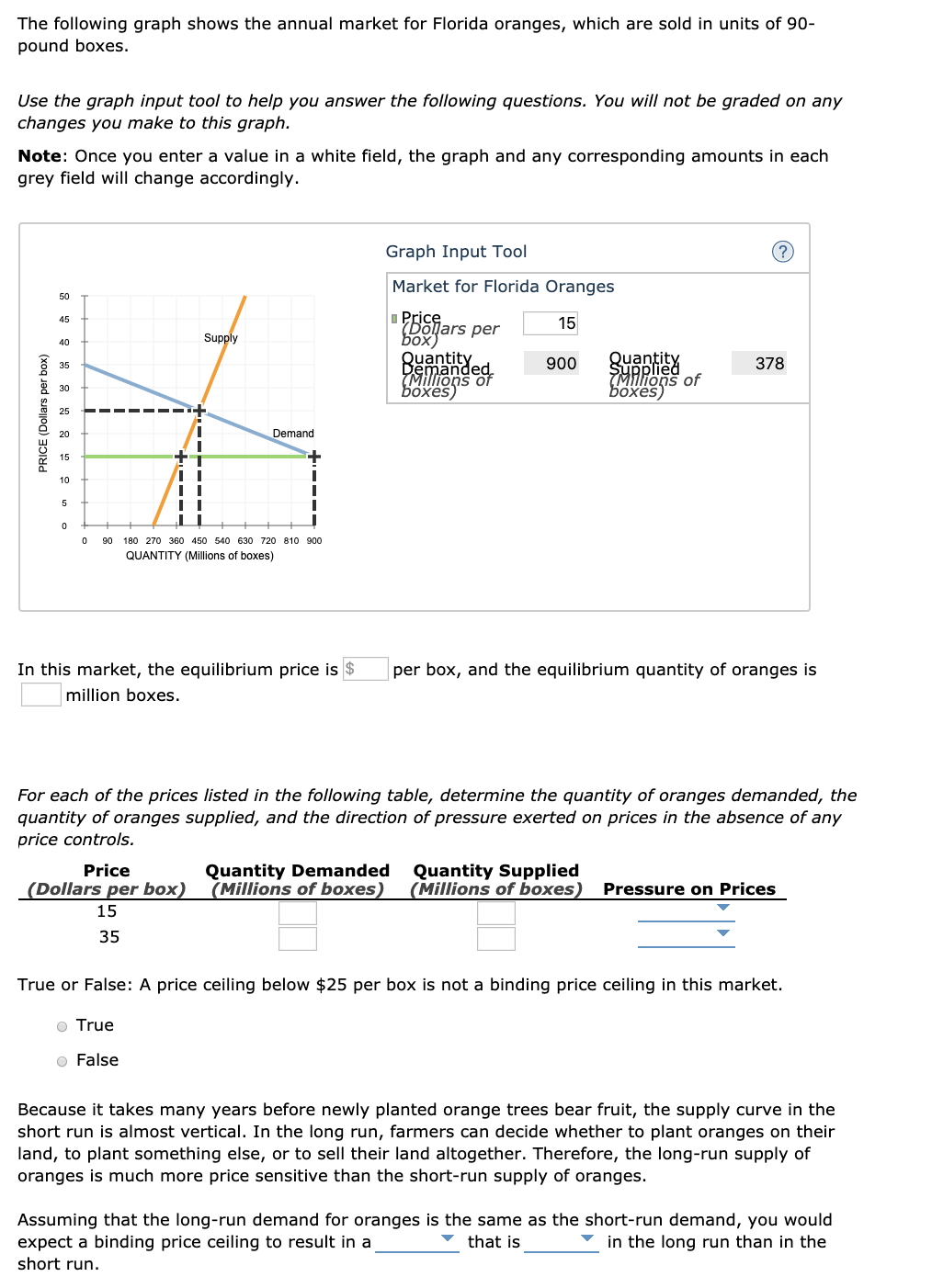
Binding Price Ceilings Result In Each Of The Following Except. A price floor means that the price of a good or service cannot go lower than the regulated floor. A price ceiling above $25 per box is a binding price ceiling in this market.
B) increase the quality of the good. Suppose that the supply and demand for wheat flour are balanced at the current price, and that the government then fixes a lower maximum price. A minimum wage law is the most common and easily recognizable example of a price floor.
For The Price That The Ceiling Is Set At, There Is More Demand Than There Is At The.
Binding price ceiling in the wheat market. B) increase the quality of the good. Use the following to answer question 2:
They Are Usually Put In Place To Protect Vulnerable Buyers Or In Industries Where There Are Few Suppliers.
Suppose that the supply and demand for wheat flour are balanced at the current price, and that the government then fixes a lower maximum price. Once you enter a value in a white field, the graph and. So, you inherited a house when your grandfather passed away.
A Minimum Wage Law Is The Most Common And Easily Recognizable Example Of A Price Floor.
When a price floor is set above the equilibrium price, quantity supplied will exceed quantity demanded, and. Cannot legally go lower than the ceiling. You will not be graded on any changes you make to this graph.
Sep 15 2021 07:49 Am.
Price ceilings, which prevent prices from exceeding a certain maximum, cause shortages. 1 answer to homework (ch 06) 2. Price ceiling can also be understood as a legal maximum price set by the government on particular goods and services to make those commodities attainable to all consumers.
A Shortage Of The Good To Develop.
One of the ironies of price ceilings is that while the price ceiling was intended to help renters, there are actually fewer apartments rented out under the price ceiling (15,000 rental units) than would be the case at the market rent of $600 (17,000 rental units). A) inefficient allocation of the good to consumers. D) equal to the demand price.

0 Comments