Price Ceiling Producer Surplus
Price Ceiling Producer Surplus. As a result, the new consumer surplus is t + v, while the new producer surplus is x. What price ceilings do is prevent the price of a good from increasing.
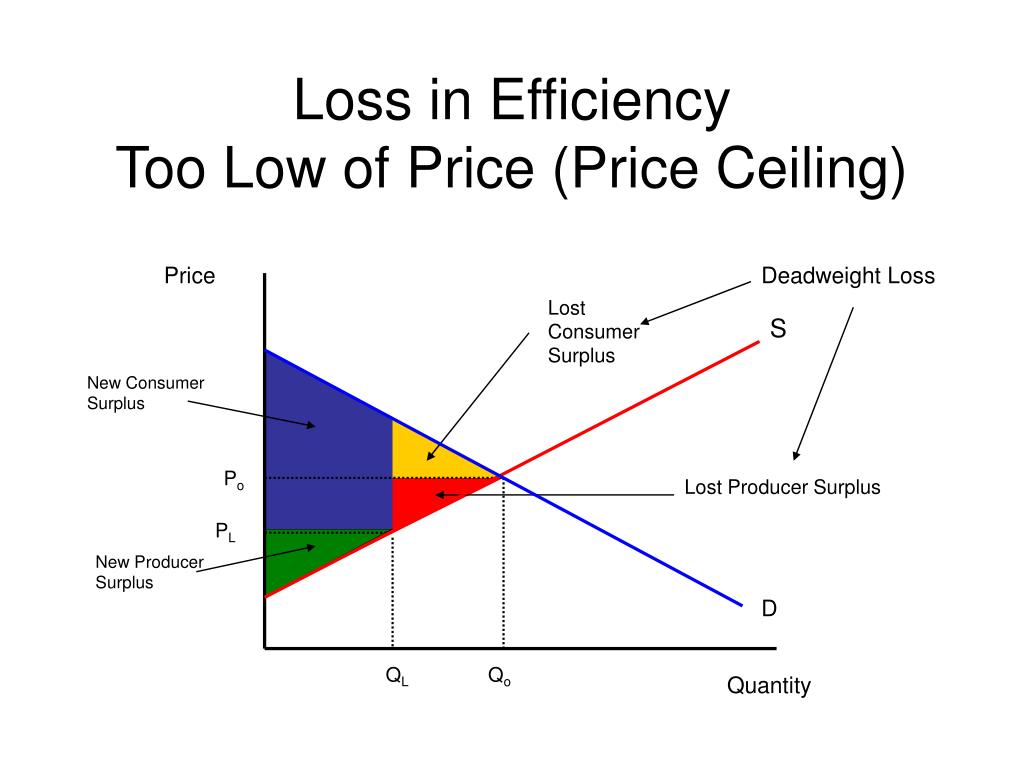
In the case of a price ceiling, producer surplus decreases. Does a price ceiling cause a shortage or surplus? The direct effect of the ceiling is a 50 unit shortage.
Tutorial On How Calculating Producer And Consumer Surplus With A Price Ceiling And How To Calculate Deadweight Loss.like Us On:
3 price floors and ceilings under a price oor or a price ceiling calculating consumer surplus and producer surplus is basically the same once we gure out the quantity actuall sold on the market under the price regulation. Consumer surplus is t + u, and producer surplus is v + w + x. The consumer surplus is 12:5 and so is the producer surplus.
Consumer Surplus Is T + U, And Producer Surplus Is V + W + X.
For the measure to be effective, the ceiling price must be below that of the equilibrium price. Consumers get more benefits from receiving a lower price than they should (the equilibrium price). In the previous example, the total consumer surplus was $3, and the total producer surplus $4, respectively.
Consider Figure 4.5B, Where The Effects Of The Price Ceiling Is Shown.
This means that the supplier(s) will forego $4 per unit for producing two units. What price ceilings do is prevent the price of a good from increasing. [p = 6:5;q = 1:75]:
It Is Usually Done To Protect Buyers And Suppliers Or Manage Scarce Resources During Difficult Economic Times.
Calculate the producer surplus for the manufacturer if they sold 50,000 pieces during the year. The graph shows a shift in demand with a price ceiling. Price ceiling is a measure of price control imposed by the government on particular commodities in order to prevent consumers from being charged high prices.
Pol‑1.A.4 (Ek) , Pol‑1.A.5 (Ek) Transcript.
For example, price ceilings to limit what producers can charge have been proposed in recent years for prescription drugs, doctor and hospital fees, the charges made by some automatic teller bank machines, and auto insurance rates. The effects of government interventions in markets. To do this, the maximum price is placed below the market equilibrium to halt the market forces from pushing up the price to equilibrium.

0 Comments