Ceiling Fan Rotation Direction Summer Winter
Ceiling Fan Rotation Direction Summer Winter. To help understand, lie on your back looking up at your fan (enjoy the breeze while you’re there). The correct ceiling fan direction for winter is clockwise, or from left to right.
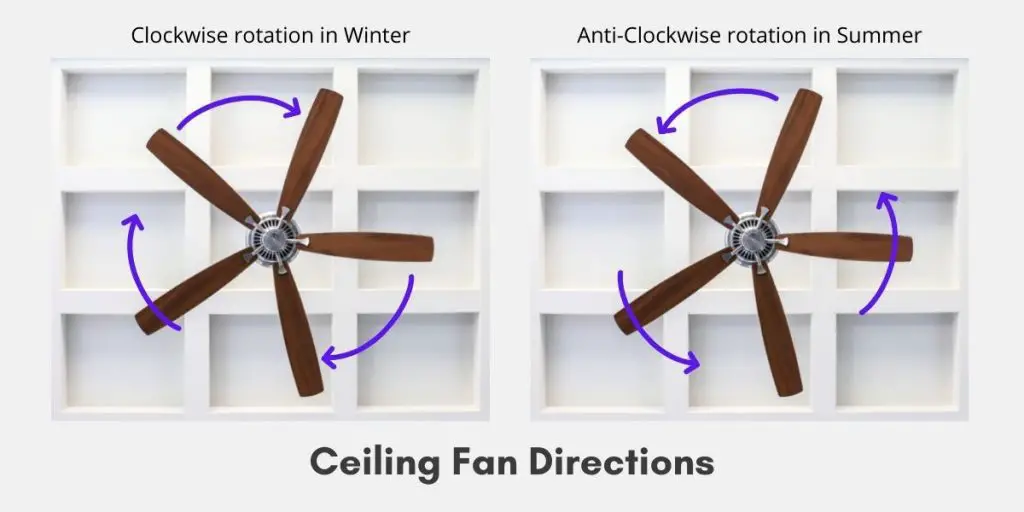
You shouldn’t feel a downward breeze if your ceiling fan is turning in the right direction in winter. It creates a wind breeze around the people underneath, leaving your home feeling cooler. If you are not feeling cool air, then it is possible your fan is spinning the wrong way, in winter mode.
Some Ceiling Fans Have Vertical Switches.
Changing the rotation of your ceiling fan is simple. With winter, you’ll want clockwise. In the winter, ceiling fans should rotate clockwise at a low speed to pull cool air up.
A Good Ceiling Fan Can Make You Feel Significantly Cooler While.
Once you make sure your ceiling fan direction in the winter is clockwise and your ceiling fan direction in. To make sure it is set correctly, stand directly under the fan blades and watch the blades rotate. A ceiling fan is helpful to push the warm air downward, and it will lead to the upward movement of cool air.
Like Most Functions, This Can Vary Between Models, But It’s Fairly Easy To Tell If Your Fan Is On The Wrong Setting.
Your fan direction in winter needs to be clockwise to create an updraft and circulate warm air around the room. During summer , you should run your ceiling fans in the counterclockwise direction. If you take a look straight up at your ceiling fan it should be turning (clockwise) for the winter.
In The Winter, The Ceiling Fan Direction Should Be Clockwise.
In the summer, the ceiling fan direction should be counterclockwise. The downward breeze, generated by counterclockwise fan spin direction, will make us feel cooler. In this video i will go over what he button on your fan actually does.
Reverse Your Ceiling Fan On Your Remote Or Use The Switch On The Motor Housing Ncfd Ceiling Fan Fan Warm Air.
I will show you the 2 settings and when you should use them during the year. To set the matter straight about how fans work during the winter and summer: The more wind the fan can create, the better for cooling.

0 Comments