What Direction Should My Ceiling Fan Turn In The Summertime
What Direction Should My Ceiling Fan Turn In The Summertime. This is the direction you should set your ceiling fans to during the summer months. Make sure the fan is turned off and has come to a complete stop.
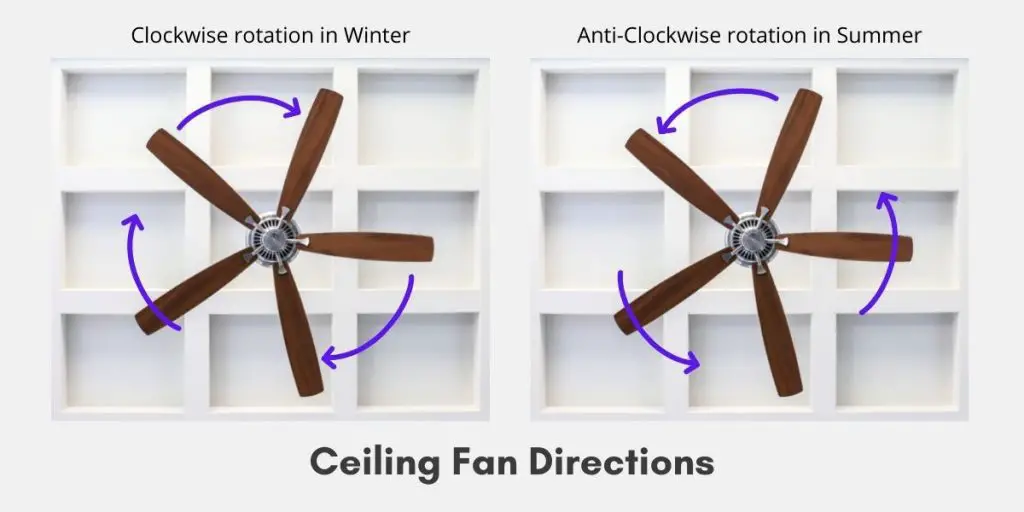
So, all you need to do is press the forward button to set your ceiling fan to spin counterclockwise during the summer months, and press the reverse button to set your fan to spin clockwise for. Turn off when not in the room. Ceiling fan direction in the summer to help produce a comfortable breeze or wind chill that cools the skin, blades should rotate in a reverse, or counterclockwise, motion.
Counterclockwise Fan Direction For Cool Summer Savings.
So stand under the fan and turn it up on high speed. Using the ceiling fan year round. In the summer, use the ceiling fan in the counterclockwise direction.
Then, For Most Fans, It’s As Simple As Flipping The Switch Located Directly On The Side Of The Fan.
This switch on the ceiling fan is typically on the top outside of the motor. One of the easiest ways to know if the ceiling fan direction is clockwise or counter clockwise is to stand under it. Here are some scenarios that will help you decide what direction a ceiling fan.
Make Sure The Fan Is Turned Off And Has Come To A Complete Stop.
In general, turn a fan counterclockwise to blow air straight down, and change it clockwise to draw the air up and circulate it around the room. Shelly lighting june 29, 2018. Which way do ceiling fans turn in the summertime
Your Fan Direction In Winter Needs To Be Clockwise To Create An Updraft And Circulate Warm Air Around The Room.
Turn off when not in the room. The ceiling fan direction in summer should be counterclockwise to help create a downdraft, which creates that direct, cooling breeze. The primary function of a ceiling fan, in any season, is to circulate air throughout your room.
Because Of The Angle And Pitch Of Its Blades, A Ceiling Fan Circulates Air And Creates A Cool Breeze.
This is because a counter clockwise rotation will drive warm air out to the walls, and the cool air, which pools on the floor. Clockwise is when the blades of the fan turn right like the hands of a clock. Unless you have a very outdated ceiling fan, there should be a switch on the side of the motor that controls the blade direction.

0 Comments