Which Direction Does A Ceiling Fan Need To Turn In The Summer
Which Direction Does A Ceiling Fan Need To Turn In The Summer. This helps keep a room’s temperature consistent throughout the day and reduces the need for an air conditioner to run constantly. Remember to turn off the fan before attempting to change its rotation.
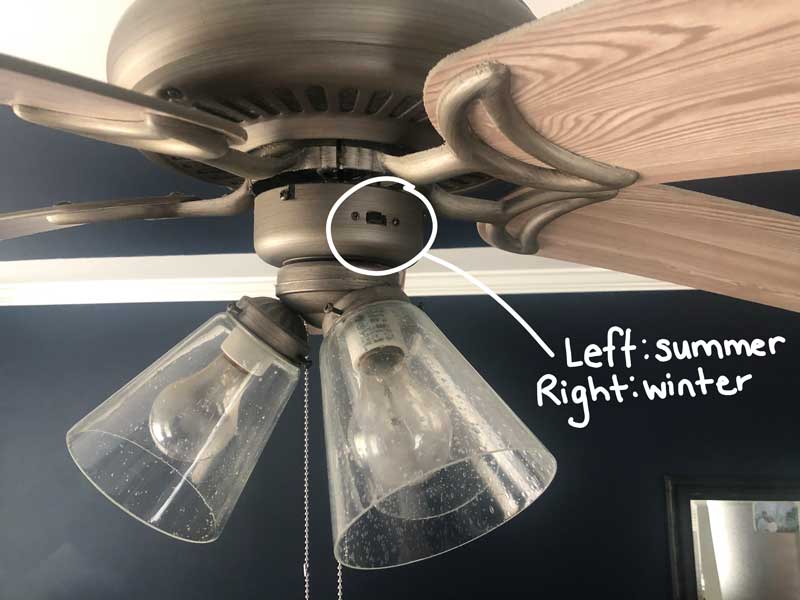
You may need to poke around a bit and remove some screws to find the switch on your model, but it’s there! First, turn the fan off and make sure the blades have stopped moving completely. This helps keep a room’s temperature consistent throughout the day and reduces the need for an air conditioner to run constantly.
Ceiling Fan Parts Wear Out Over Time, So You May Find The Direction Spin Switch Doesn't Function.
Like most functions, this can vary between models, but it’s fairly easy to tell if your fan is on the wrong setting. A ceiling fan that spins clockwise will draw cooler air up and force warmer air near the ceiling down. This will be located on the body of the fan and should be the only switch on the unit.
Using The Ceiling Fan Year Round.
The breeze created by the fan makes you feel cooler. Keep cool with a ceiling fan. Turning up your thermostat 4° f makes your ac work less, which means it uses less energy.
Depending On How Your Ceiling Fan Is Set Up, You May Need To Slide A Switch On The Main Body Of The Ceiling Fan To Change It From Clockwise To Counterclockwise (Or Vice Versa).
To figure out which direction your ceiling fan is turning, stand directly underneath it. Turn off when not in the room. The blades push cooler air down, and the increase in airflow creates a breeze (often called a downdraft) that helps evaporate moisture from your skin and makes you feel cooler.
If The Blades Are Turning Clockwise, You Will Need To Flip The Small Switch Located On The Fan’s Housing.
In the counter clockwise or left direction, you should be able to feel a cooling breeze under it. The summer mode will make your ceiling fan suck the warm air up and push the cold air down. Because warm air rises, the air near the ceiling can be three to four degrees warmer than air near the floor.
What Is The Perfect Direction For Ceiling Fan?
Doing so will cause the fan blades to push cooler air straight down, giving you a nice, direct breeze. If you do not feel the air very well, then turn the fan off and flick the reverse toggle switch. Simply walk over to your wall switch and turn off the fan, or turn off the power to the motor on the fan itself by pulling on the appropriate chain.

0 Comments