Which Way Should Ceiling Fans Turn To Cool
Which Way Should Ceiling Fans Turn To Cool. This will allow the angled blades to push air downward. You are able to use a ceiling fan during all of the seasons to help keep you cool and warm the entire area of your house.
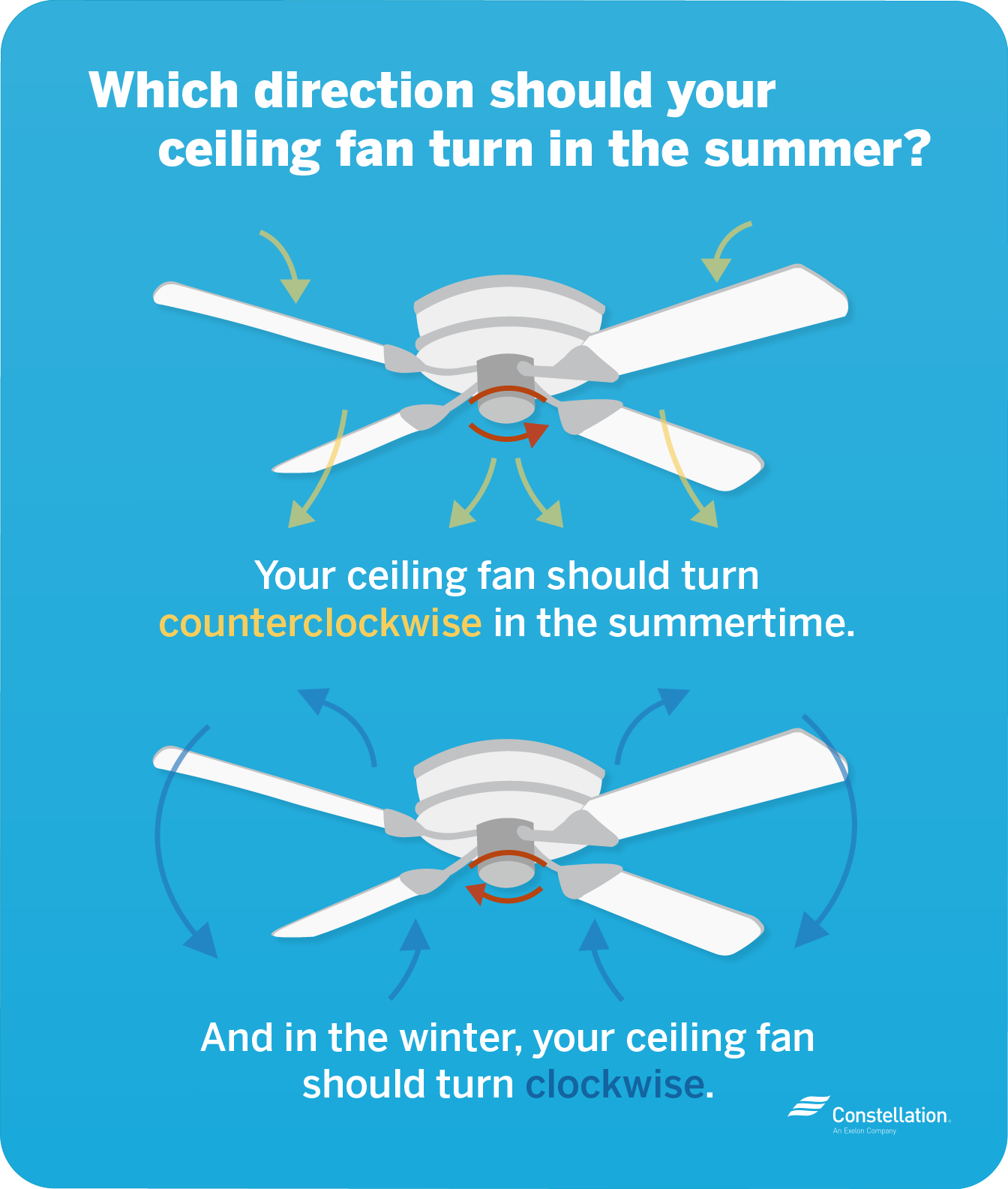
One of the easiest ways to know if the ceiling fan direction is clockwise or counter clockwise is to stand under it. It should be pointed at the person who wants to feel cooled down. First you should ask what exactly does a ceiling fan do?
The Process That Ceiling Fans Cool Your Home Is A Little Different Than How Air Conditioners Cool Your Home.
How to change the direction of your fan blades for winter: Keep cool with a ceiling fan. Depending on the temperature it is outside, will determine which way that your ceiling fan will need to turn.
In The Summer, Ceiling Fans Should Rotate Counterclockwise To Push Cool Air Down To The Floor.
How to tell which direction the ceiling fan is going for heat. This is the direction you should set your ceiling fans to during the summer months. Which way should my ceiling fan turn in the summer?
This Will Allow The Angled Blades To Push Air Downward.
Turn your ceiling fan on to observe the direction it's currently turning. In the winter, the fan should spin the opposite direction: Your clockwise ceiling fan will push that warm air out into the room.
First, Turn The Fan Off And Make Sure The Blades Have Stopped Moving Completely.
When the weather turns warm, most people know to turn on a fan. A ceiling fan that is running counterclockwise pushes cool air down throughout the room. Even on the days you use your air conditioner, the fan is still a valuable asset.
This Spin Direction Makes The Blades Create An Updraft, Sucking Cold Air Up And Forcing The Room’s Warmest Air (Remember, Heat Rises) Downward Toward The Room’s.
Which direction should one point a fan to cool a room? Stay cool and save money Typically, it's counterclockwise or left for summer and clockwise for winter, but the best method is to follow the steps above.

0 Comments